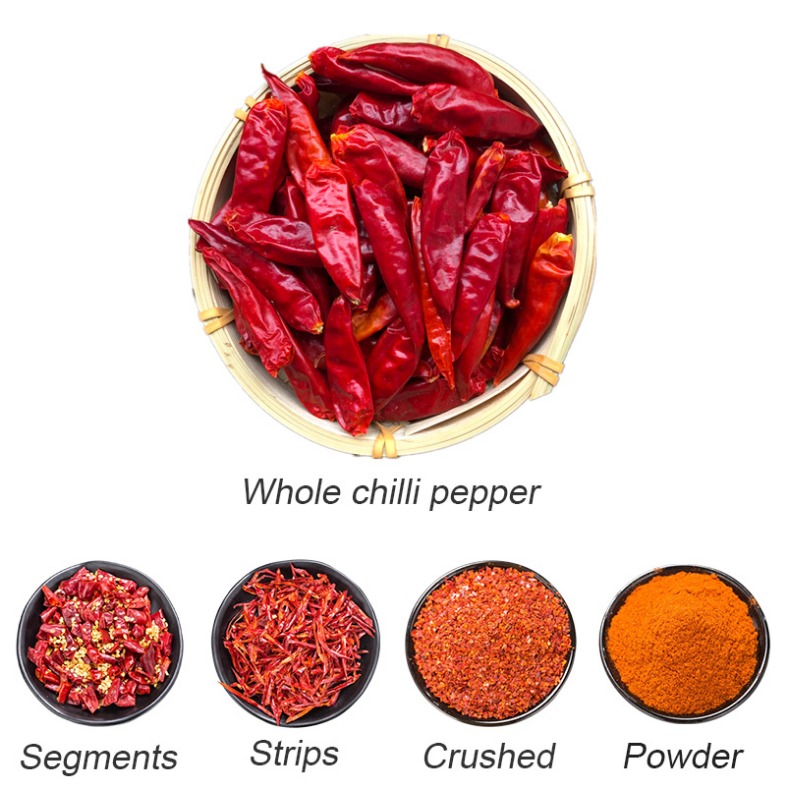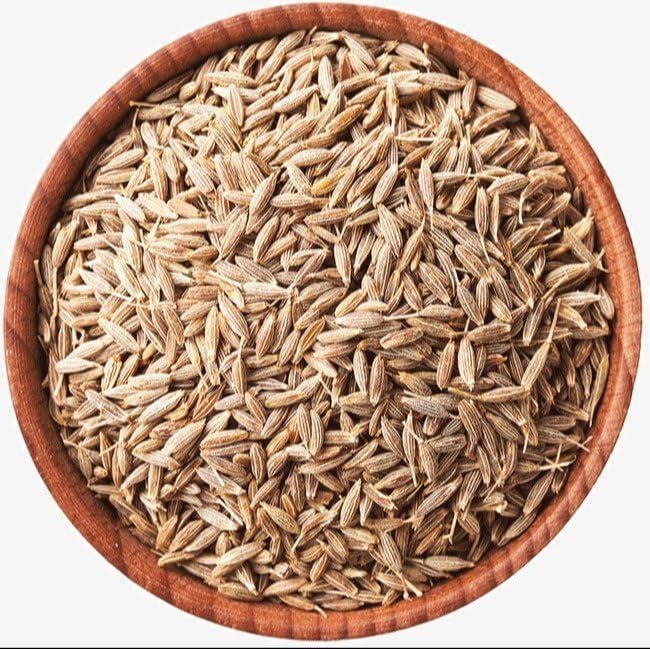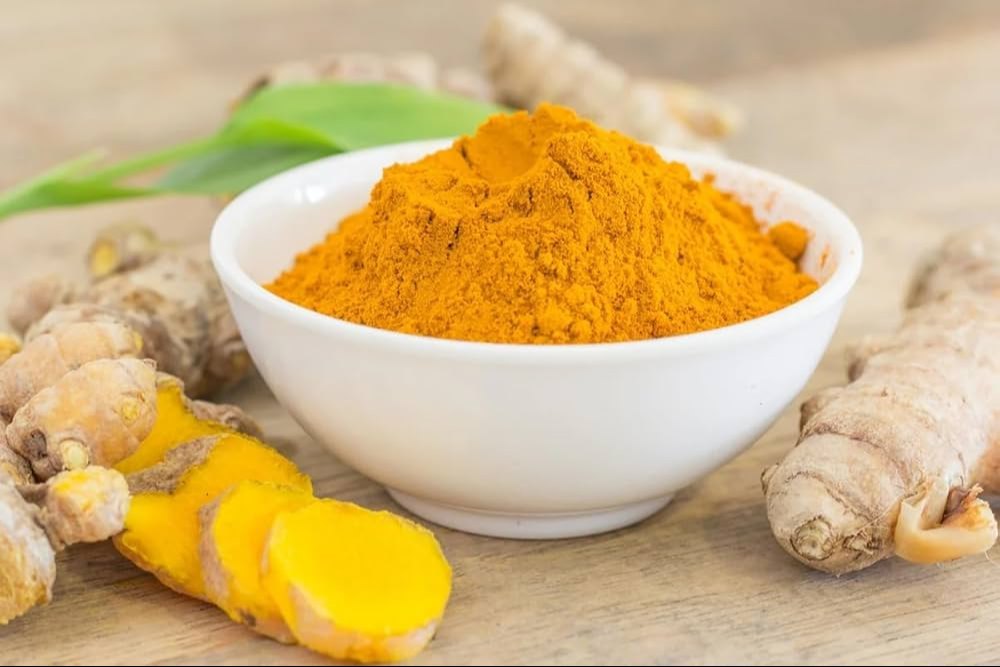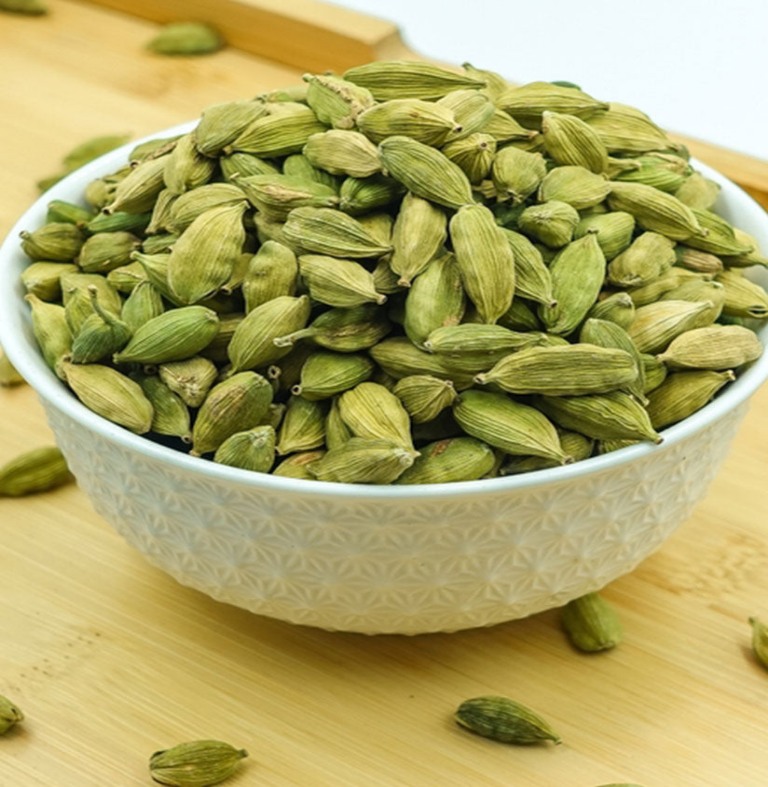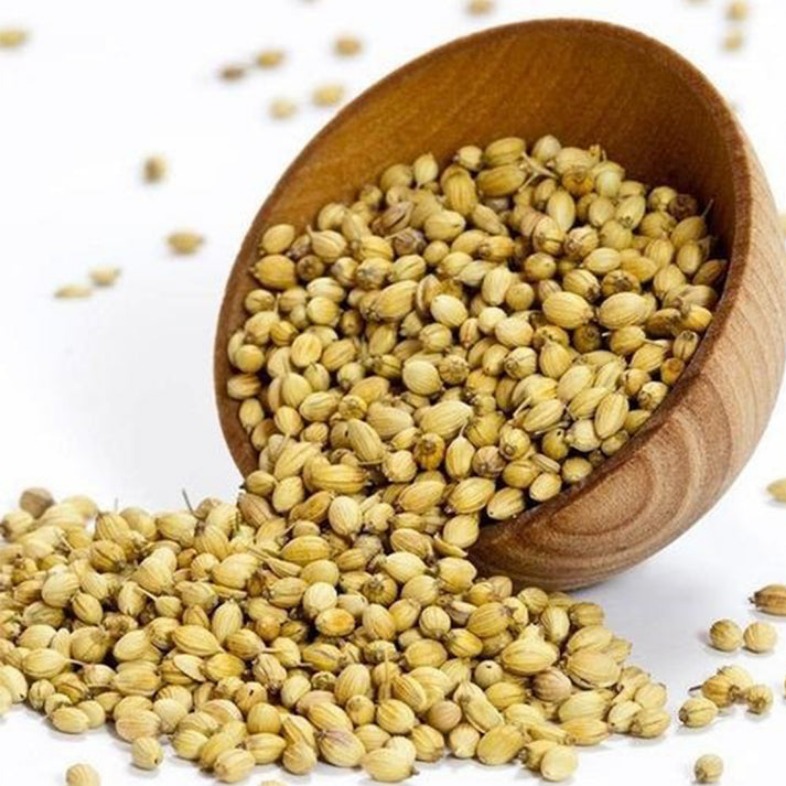
Indian spices, known as the soul of Indian cuisine, are a diverse collection of aromatic seeds, roots, barks, and fruits that have defined India’s culinary identity for thousands of years. Renowned as the “Land of Spices,” India produces over 75 of the 109 spices listed by the International Organisation for Standardisation (ISO). These spices go beyond flavor enhancement, offering rich, deep aromas.
Key Phrases & Terminology
“Land of Spices” or “Spice Bowl of the World”: India is the largest producer, consumer, and exporter of spices.
Masala Dabba: The traditional, essential round steel spice box found in every Indian home, holding the staple ingredients.
Tadka/Tempering: The process of sizzling whole spices (like mustard seeds or cumin) in hot oil or ghee to release aromatic oils at the start of cooking.
King of Spices (Black Pepper): Used for its sharp heat and, historically, as a luxury trade commodity known as “black gold”.
Queen of Spices (Cardamom): Prized for its intense, sweet-aromatic scent in both sweet and savory dishes.
The Golden Spice (Turmeric/Haldi): Celebrated for its bright color and healing, anti-inflammatory properties.
Showing all 5 results